
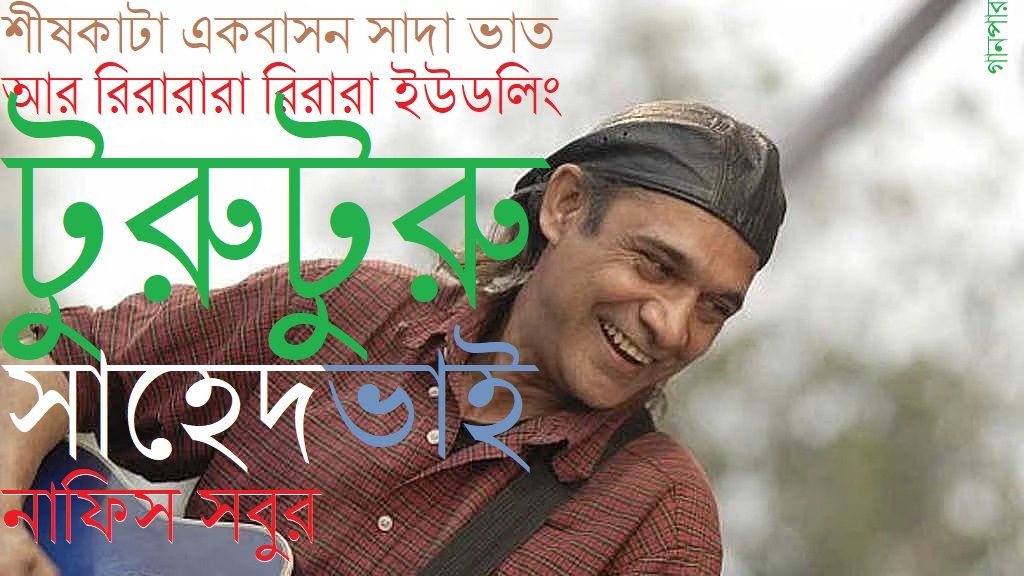
Shahed Vai rests on the other side of the horizon, continuing to make sweet songs. Will miss you and your new songs.
The last time I met him was in January 2025, at Alam restaurant near KathalBagan Dhaal, as I was leaving after finishing my meal. Shahed Vai was seated with a man and two little girls. I managed to shake hands with him. He was already facing health issues.
I still remember another day, most probably in November or December 2024. Shahed Vai was buying vegetables near the Poribaag Mosque from a street vendor. I was across the road, waiting for Zubaid Kadir, my favourite photographer. I was about to approach him and strike up a conversation, meanwhile ZK arrived. I left then.
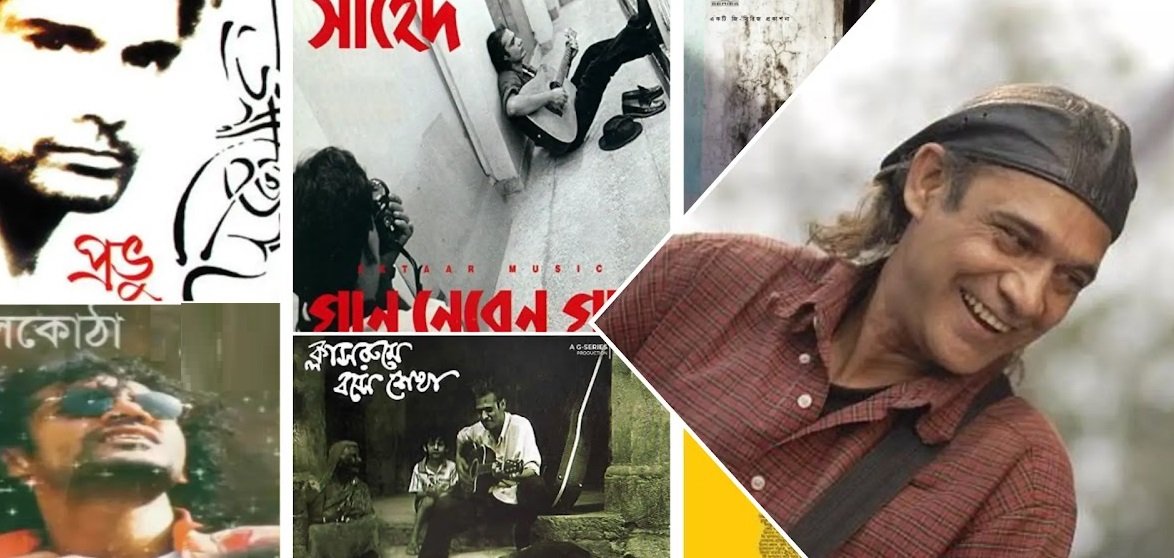
Shahed Vai’s music was never sophisticated, and that was its sweet catch. He was an urban folk singer of Dhaka, a Dhaka that no longer exists. And that’s okay. That’s how time keeps moving and moulting. The bricks of grand roads eventually become relics.
I believe musically and historically he was the flag bearer of Azam Khan, Happy Akand, Niloy Dash’s musical tradition. The urban middle class and upper middle class of Bangladesh after 1947 settlement. Shahed Vai’s lyric was direct and easily abled to catch the ironies and casualties of modernity in the context of his life journey. He did not have to rely on typically imposed poetics that we can observe in some Calcuttan tradition. Even in some Bangladeshi cultural elite musical groups, who have to borrow poetics from their intellectual influences to cover up their inferiority complex, maybe?
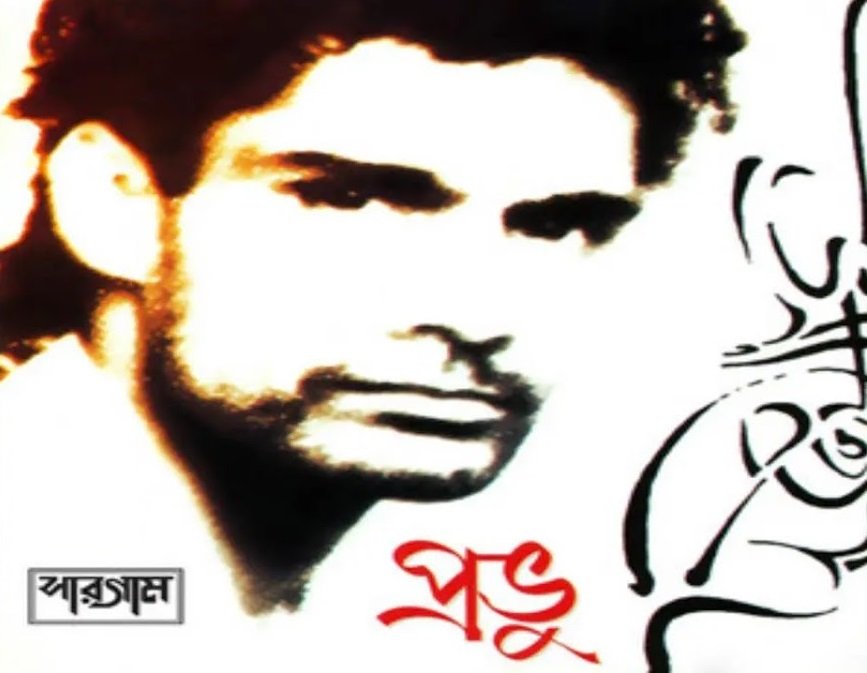
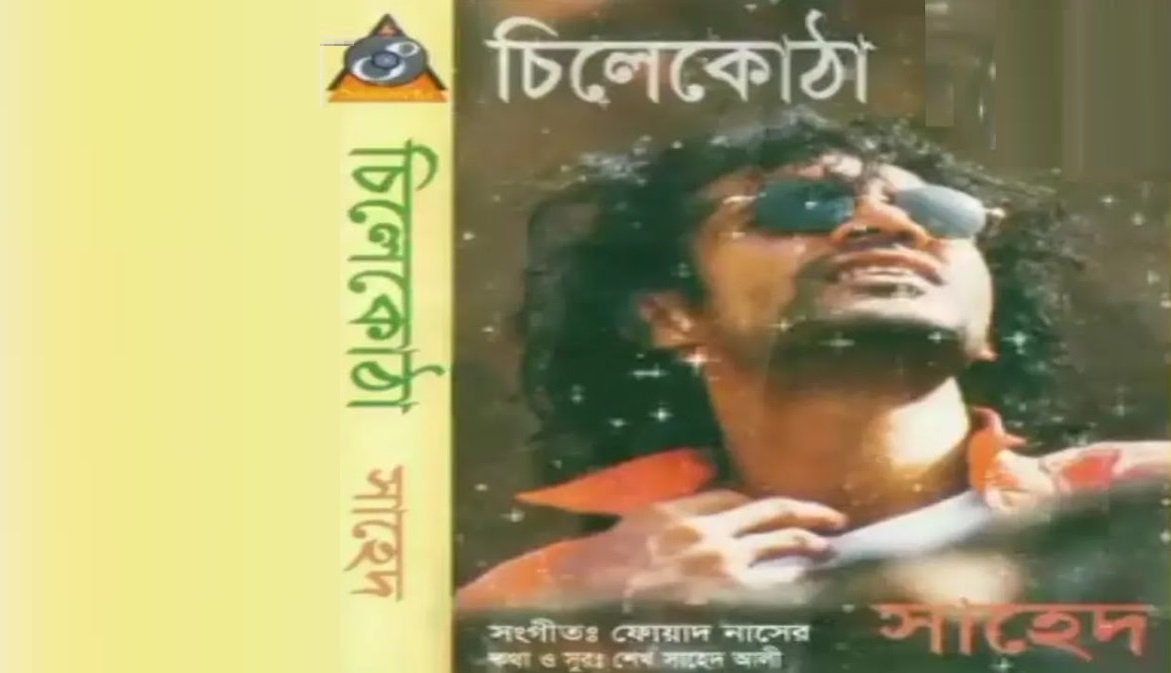
Shahed Vai and his music were completely free from this. He completely did not care and wrote sweet songs and sang from his heart just as his bohemia. I can remember Cricket, Roktojoba, Classroom-e Boshe Shekha, Oi Nyanghta Cheleke Pantul Porabe Ke, Gaan Neben Gaan, and Sudin. His songs spontaneously touch the grains and events of Dhaka-Bangla: the cheers and pathos of Eid, Noboborsho, Falgun, celebrations and tragedies!
Reality can outshine the moon and make her beautiful, just like a piece of toasted roti on a warm griddle. In his songs, Shahed Vai wrote and sang about Ek Bashon Shada Bhat, promises and failures, and a girl who was molested during a national cricket celebration. Every Bangladeshi knows how cricket, as a nationalistic phenomenon, brought people together across religious and otherwise segregated interests during the 1990s and early 2000s. Yet there is the irony of a girl being molested during the celebrations and her mother’s prayers! Mother’s prayer changed over time! how Shahed Vai explored our social spirituality was marvelous.
How did Shahed Vai deal with female figures in his songs? The lover of a rape victim runs and cries, saying that his Roktojoba has been plucked by someone else! He continued Azam Khan’s legacy, where female names, just like the fragrance of dawn, become a U/Wseela through which male protagonists deal with their inner, outer and social torments!
Shaikh Shahed was not a so-called star, nor was he intellectually acclaimed in proportion to the position his songs deserve to hold. Personally, I believe his works belong in the same domain as that of Kabir Suman and Anjan Dutta and similar trends. However, cultural-elite gourmets never considered Shaikh Shahed’s songs as qualitatively significant as those of other acclaimed and popular singers in the meaningful, reality-focused tradition of urban music.
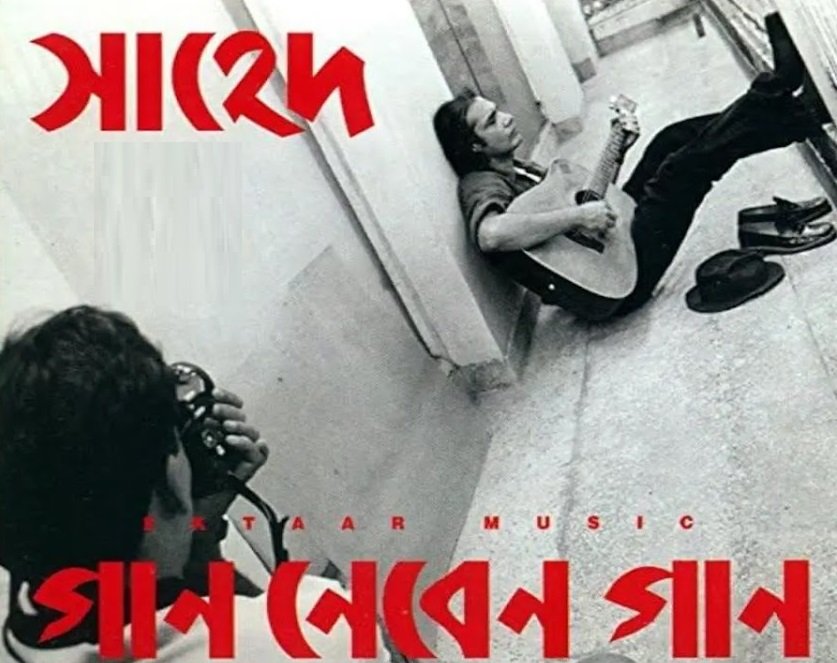
Hahaha! Some of them once even confused about Azam Khan, year ago! Not a big deal. We all have our biases and preferences over time. But look, all the maestros played with Shahed Vai. And Shaikh Shahed continued the silsila of East Bangla local folks, not as like imposed borrowed JibonMukhita, Our Baul and Boyati and Jaari Gaan’s tradition was layered presented across his songs, I believe.
There is a tradition of Bangla songwriting that we can observe among early bands, including Winning, Ark, and even bands from the early 2000s. We can also find it in Subconscious and a few other bands around the time of the Swapnachura and Rock 101 albums. I can’t remember all the names, please take my apology for that.
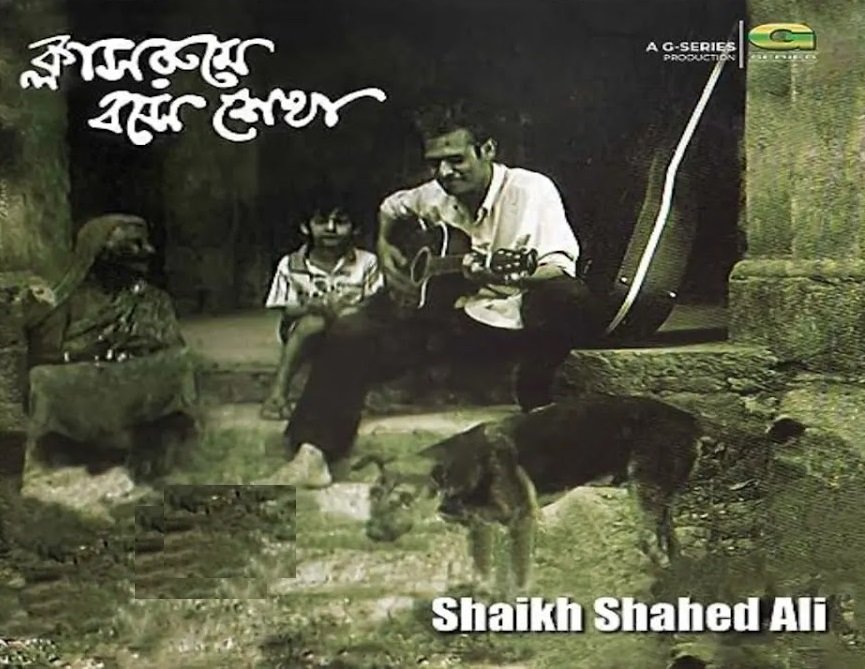
These types of lyrics are written with a direct ethos and pathos. They come from observing souls who can feel and write without being overly concerned with poetic craftsmanship or sophistication. Those lyrics are direct, close to subconscious motives, I believe, and that is significant. They carry the marks of class and cultural transition.
Two or three generations ago, our ancestors were living in villages. The next generation began moving towards office jobs and businesses, becoming institutionally educated and gradually adapting to western cultural influences. This Bengali urban and suburban culture, both culturally and economically, was able to function independently, without being constrained by Calcuttan notions and the hegemony of classical literature.
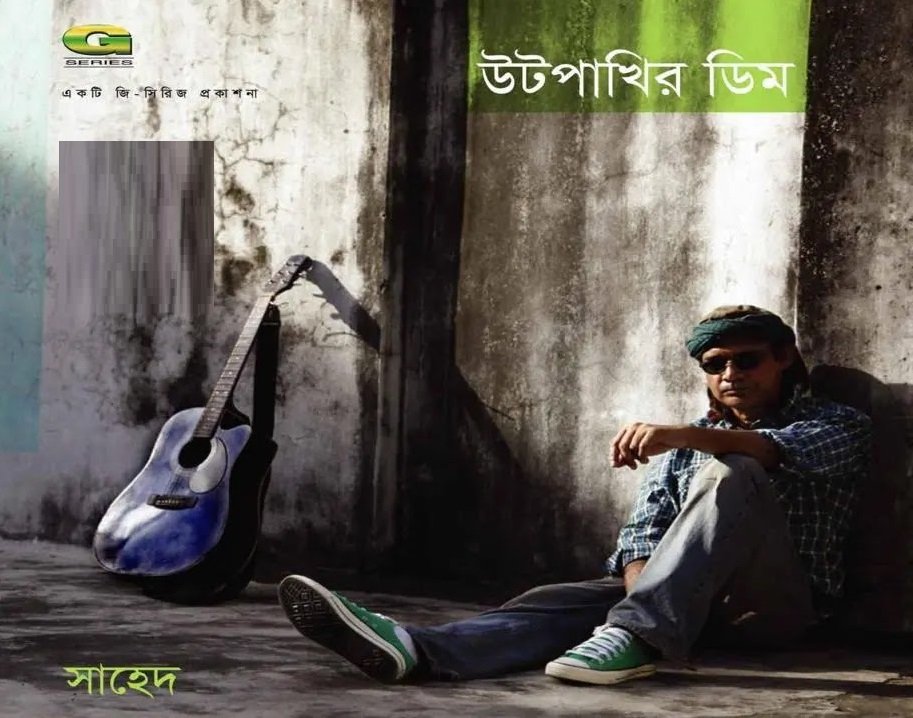
Obviously, Shahed Vai came from a bourgeois background, but he chose bohemia, wandering around, writing and singing songs without becoming institutionalised or co-opted by the cultural-elite literary circles. I don’t know much about the current scene.
Whatever, for now Shahed Vai is sitting somewhere now with Guru Azam Khan, Niloy Das, Happy Akand, Mubin and the other cool musicians of Dhaka Orchestra, having a relaxed jam session. Ullash!
নাফিস সবুর রচনারাশি
gaanpaar English originals

COMMENTS